
A lapsed museum member walks past their local natural history museum on a Saturday morning. Their phone buzzes. Not a generic ad. A personalized Apple Wallet notification:
"Welcome back. Your favorite exhibit hall just opened a new installation. Renew today and bring a guest free."
That afternoon, they renew their membership from the lock screen. No app download. No website login. Low friction.
Scenarios like this are now common at cultural institutions, and early results from adopters are strong.
Some museums and zoos using mobile wallet passes report substantial gains in renewal rates, visit frequency, and gift membership conversions, based on anonymized internal data. Yet many cultural institutions still mail plastic cards or place membership credentials inside dedicated apps that only a minority of members download.
Museums, zoos, botanical gardens, and cultural nonprofits are augmenting or replacing legacy membership systems with Apple and Google Wallet passes. The approach is cheap and low-friction, which is why it fits the constraints these institutions actually operate under.
The membership renewal problem cultural institutions can't afford to ignore
Many museums struggle to keep renewal rates where they want them. Renewal rates around 50-60% are common, though results vary by institution type, region, and audience. That means you may lose a large share of your members every cycle. Acquiring a new member usually costs much more than retaining an existing one, so every lapsed membership hurts your long-term revenue.
Traditional renewal tactics are also under pressure. Renewal emails often see modest open rates. Younger audiences respond less often to mailed solicitations. Phone campaigns can feel intrusive and tend to deliver weaker returns over time.
Cultural institutions face challenges that many retailers and subscription businesses do not. Seasonal attendance creates long gaps where members may forget they have a membership. Marketing budgets are small, especially for small and mid-sized organizations. Many institutions report that their members skew older, and these audiences can be hesitant to download and use new apps.
The result is a recurring retention problem. Lapsed members forget the value of membership. You spend scarce budget on re-acquisition. The lifetime value of each member shrinks year over year. More institutions are now using wallet passes on members' phones to break this pattern.
Why wallet passes are a natural fit for cultural memberships
On iPhones, Apple Wallet is pre-installed as part of iOS. On many Android devices, Google Wallet, or an equivalent wallet app, is available, often pre-installed or easy to download from Google Play. The wallet is part of the device's core ecosystem, and most users already have the required accounts.
This matters when your members range from 25 to 85 years old. Members do not have to search app stores, download a new app, or remember another password.
A single wallet pass can serve as membership card, event ticket, and communication channel. Members tap to enter, see their membership tier and expiration date, and receive updates. All from one pass.
Dedicated custom apps are expensive to build and maintain. They often require five- or six-figure investments over time. Wallet passes can usually be created and distributed for a fraction of that cost with platforms like Passmint. You get no-code pass creation, dynamic updates, geofencing, and analytics without in-house developer resources. This brings digital membership tools within reach of small historical societies and community gardens, not only major metropolitan museums.
The real power is real-time updates. You can push changes to existing passes. Swap the pass imagery to promote a new exhibit. Update the expiration date after renewal. Surface a renewal call to action close to lapse. The member does not need to do anything. The pass stays current.
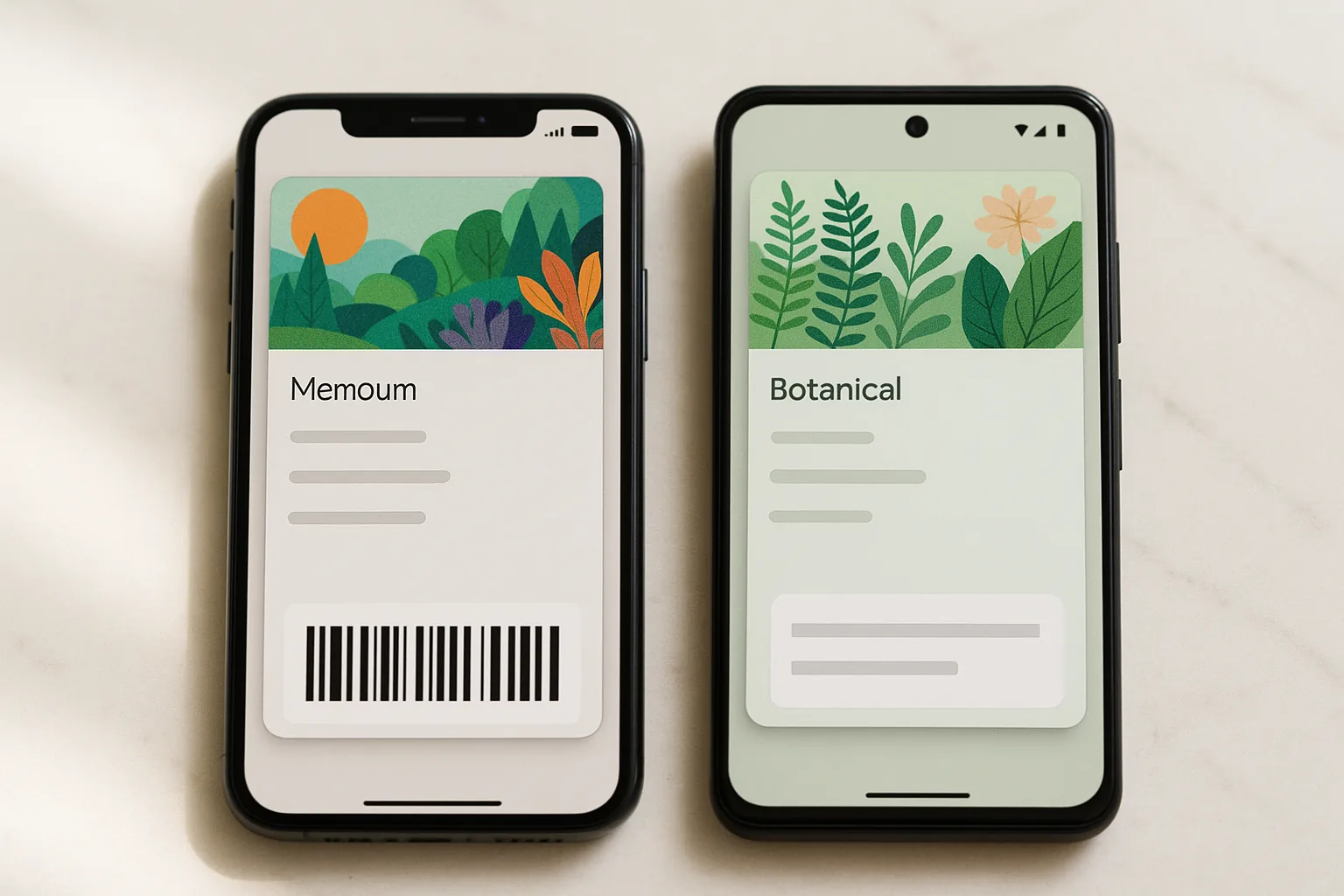
This mix of low-friction access, multi-purpose functionality, and ongoing communication makes wallet passes a strong fit for cultural memberships.
Location-triggered notifications: re-engaging lapsed members at the right moment
Apple Wallet passes support location awareness. You can include geographic coordinates and a radius in the pass. When a device with the pass is near that location, the pass can surface on the lock screen. This lets you reach a member, or a lapsed member who still has the pass, when they are near your venue. It is a key moment. They are close by and may already be thinking about visiting.
The mechanics are straightforward. You define one or more locations around your venue. When a device carrying the pass enters that zone, and the user's settings allow it, the pass can surface automatically. The notification can include a renewal reminder, a preview of current exhibits, or a guest-pass incentive.
In anonymized internal data from some programs, institutions using geofenced wallet passes report higher renewal response rates among lapsed members who receive proximity notifications compared to previous email-only win-back campaigns.
This approach is especially useful for institutions near high-traffic areas such as downtown districts, shopping centers, or transit hubs. Lapsed members may pass by often without planning to visit. A well-timed notification can turn that moment into a renewal.
Privacy controls stay with the user. Members choose to save the pass to their wallet and can remove it at any time. They control notification and location settings at the OS level. Because members explicitly add the pass and can easily delete it, many institutions find that wallet notifications feel less intrusive than app-based push notifications. Some organizations report low opt-out or pass removal rates, which suggests that members find the notifications useful.
Dynamic pass updates that drive repeat visits and deeper engagement
One of the most underused features of wallet passes is the ability to update pass content server-side and have changes appear on the member's device. For institutions with rotating exhibits, seasonal programs, and special events, this is a major advantage.
Here are some practical applications:
- A botanical garden updates its pass header image each month to show what is in bloom
- A children's museum adds a back-of-pass field each week with the upcoming weekend's family programming
- A history museum changes its pass thumbnail to promote a traveling exhibit
These updates can trigger lock-screen or banner notifications, subject to user settings and OS behavior. This gives you a persistent communication channel that bypasses email fatigue and social media algorithms. No ad spend. Less dependence on open rates. Just a timely prompt that says something new is happening.
In anonymized client data, some institutions using dynamic pass updates report clear increases in average visit frequency among active members. For example, moving from around three visits per year to closer to four. The lift comes from better awareness of programs that members would otherwise miss.
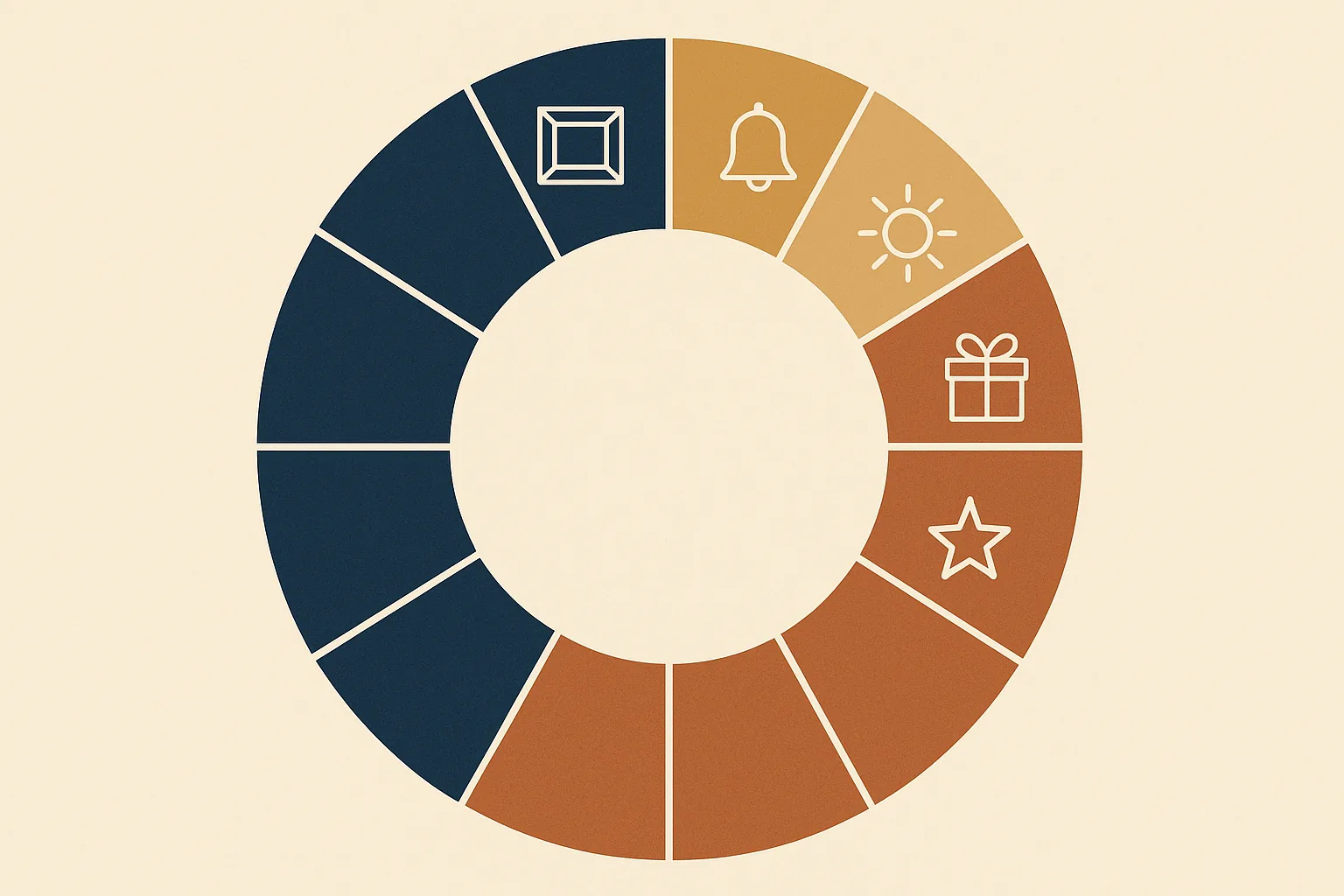
A simple update calendar turns your wallet pass from a static credential into a year-round engagement tool. For example:
- January promotes a new exhibit
- March triggers a renewal reminder
- May highlights summer camp registration
- August invites members to an appreciation event
- October pushes a holiday gift membership offer
- December shares a year-in-review with the member's visit count
Each update gives members a new reason to think about your institution and visit.
Simplified guest-pass sharing that grows household engagement
Most museum memberships include guest privileges. The friction of using them is often high. Members forget the card. They do not know how many guest visits remain. The front-desk process to add a guest can be slow.
Wallet passes can reduce this friction. You can issue time-limited guest passes that members share by text, email, or AirDrop. The recipient adds the pass to their wallet and scans it at entry. They do not need to install a separate app beyond the built-in wallet app.
This can create an acquisition loop. The guest experiences the institution with a smooth digital pass. You can design your systems to collect the guest's contact information for follow-up membership offers, subject to privacy laws and consent.
In anonymized data from some programs, a share of guest-pass recipients convert to full memberships within a few months of their visit.
For family memberships, wallet passes allow each household member to carry their own pass on their own device. This enables independent visits instead of requiring the primary cardholder to be present.
Gift membership conversion can also improve. When you simplify digital gifting, for example with a form where the purchaser enters the recipient's email or phone and the recipient gets a wallet pass instantly, institutions often report higher gift membership purchases compared to slower, physical-only workflows. The recipient gets a digital membership card they can use the same day.
Case study: a composite view of how a science museum could transform its membership program
The following fictional composite case study draws on patterns seen across multiple real programs. It does not describe a single institution.
Consider a regional science museum with 15,000 member households, a modest annual marketing budget, and a renewal rate that has been flat for several years.
Phase 1: Digital Card Replacement
The museum replaces printed membership cards with Apple and Google Wallet passes. Passes are distributed by email and SMS at sign-up and renewal. Within the first few months, a majority of active members adopt the digital passes. Older members show particularly high uptake because "Add to Wallet" is simpler than downloading an app, creating an account, and logging in.
Phase 2: Engagement Automation
The museum creates a 12-month pass update calendar with new exhibit promos, event reminders, and renewal calls to action. They activate geofencing for lapsed members within a defined radius of the venue. Over time, visit frequency increases as members become more aware of timely programs.
Phase 3: Guest and Gift Integration
The museum adds digital guest passes and instant digital gift membership delivery. A share of guest-pass recipients convert to paid memberships. Holiday gift membership sales grow compared to previous years.
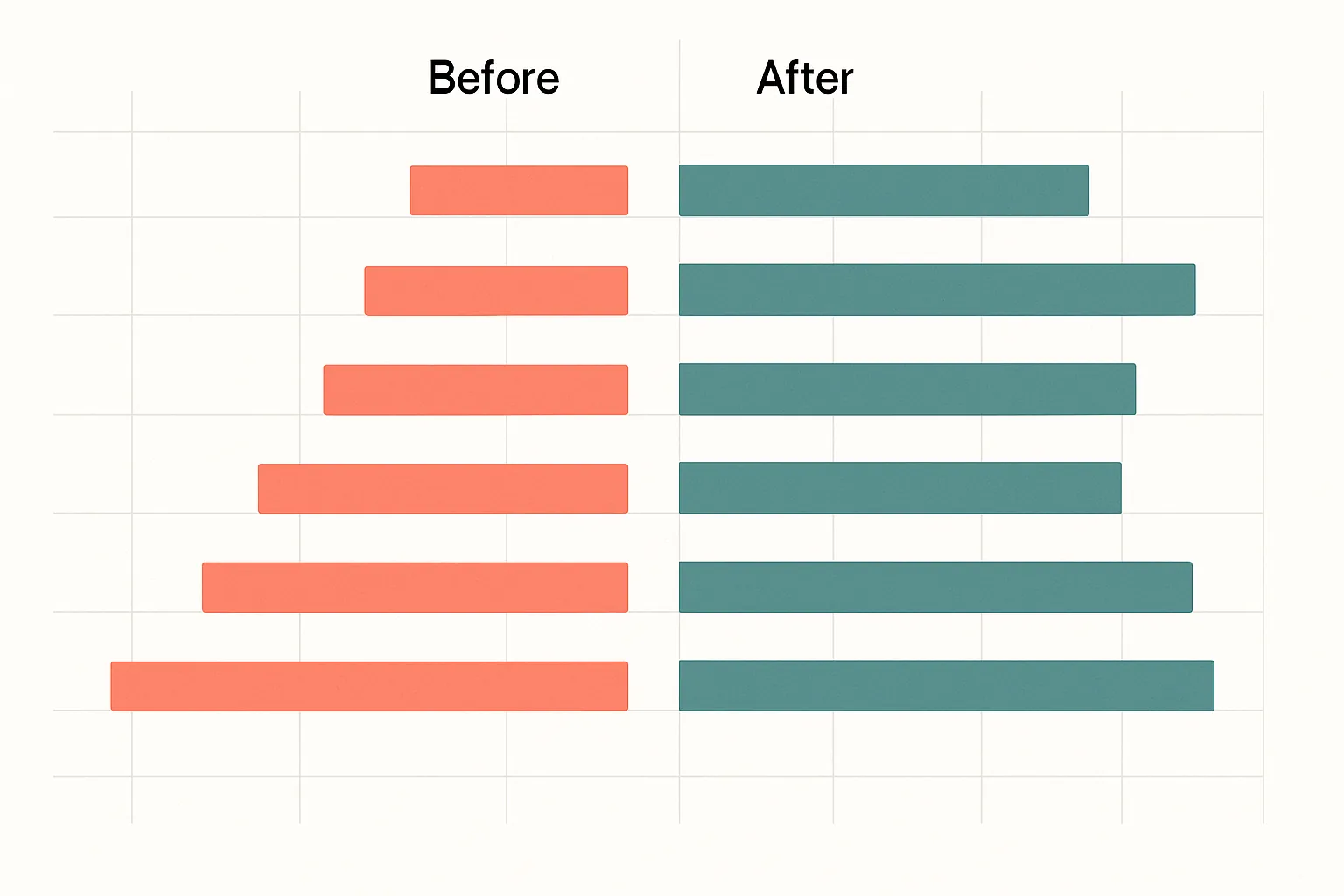
Over 12-18 months, a program like this can see results such as:
- Renewal rates rising from their prior baseline
- Annual membership revenue growing as more members renew and visit
- Marketing cost per renewal dropping as wallet-based communication replaces some paid channels
- Total wallet-pass technology investment staying a small share of the overall marketing budget
The exact numbers vary by institution. The pattern is consistent. You shift from high-friction, one-off campaigns to a low-friction, always-on channel.
Getting started: a practical roadmap for cultural institutions
If you want to bring wallet passes to your institution, this five-step roadmap works for both a 200,000-member metropolitan zoo and a 500-member local historical society.
Step 1: Audit your current membership touchpoints
Map every interaction from sign-up to renewal. Identify friction points where a wallet pass could replace or support what you are doing, such as card fulfillment, entry scanning, renewal reminders, and event promotion. You will likely find many steps that can be simplified.
Step 2: Choose a wallet pass platform
Evaluate solutions like Passmint that offer no-code pass creation, dynamic updates, geofencing, and analytics without developer resources. Focus on Apple and Google Wallet support, CRM and email integration, and pricing that scales with your membership size.
Step 3: Design your pass and update calendar
Treat the wallet pass as a living communication channel, not a static card. Plan content updates around your program calendar. Design the pass to reflect your brand while showing the most useful information: member name, tier, expiration, and a scannable barcode.
Step 4: Launch with a dual-track approach
Offer wallet passes to new members at sign-up. Run a migration campaign for existing members via email and SMS with a one-tap "Add to Wallet" link. Allow physical cards to coexist during the adoption period so members can choose what works best for them.
Step 5: Measure and iterate
Track pass adoption rate, notification engagement, renewal conversion by channel, visit frequency, and guest-pass sharing volume. Use these metrics to refine your update cadence and messaging. Institutions that see the biggest gains treat their wallet pass strategy as an ongoing program, not a one-time project.
Your members already have the technology. Now use it.
Cultural institutions create some of the most meaningful experiences in their communities. Many still struggle to maintain ongoing relationships with their most engaged visitors. Mobile wallet passes help close this gap by turning a static membership card into a dynamic, always-present engagement channel, without the cost of building a dedicated mobile app.
When you implement wallet passes thoughtfully, small reductions in friction at each step, from entry scanning to guest sharing to renewal, add up to higher retention and engagement over time.
For museums, zoos, botanical gardens, and cultural nonprofits with lean budgets, wallet passes are a cost-effective membership retention tool worth serious consideration.
If your institution is ready to reduce churn and stay better connected to your community, Passmint lets you create, distribute, and manage wallet passes with minimal technical overhead. No custom app development required.
Primary sources
Common questions
Technical content writer, Passmint
Julio is a technical content writer at Passmint. He writes about Apple PassKit, the Google Wallet API, and what breaks when wallet passes meet production traffic.
More from Julio Song →