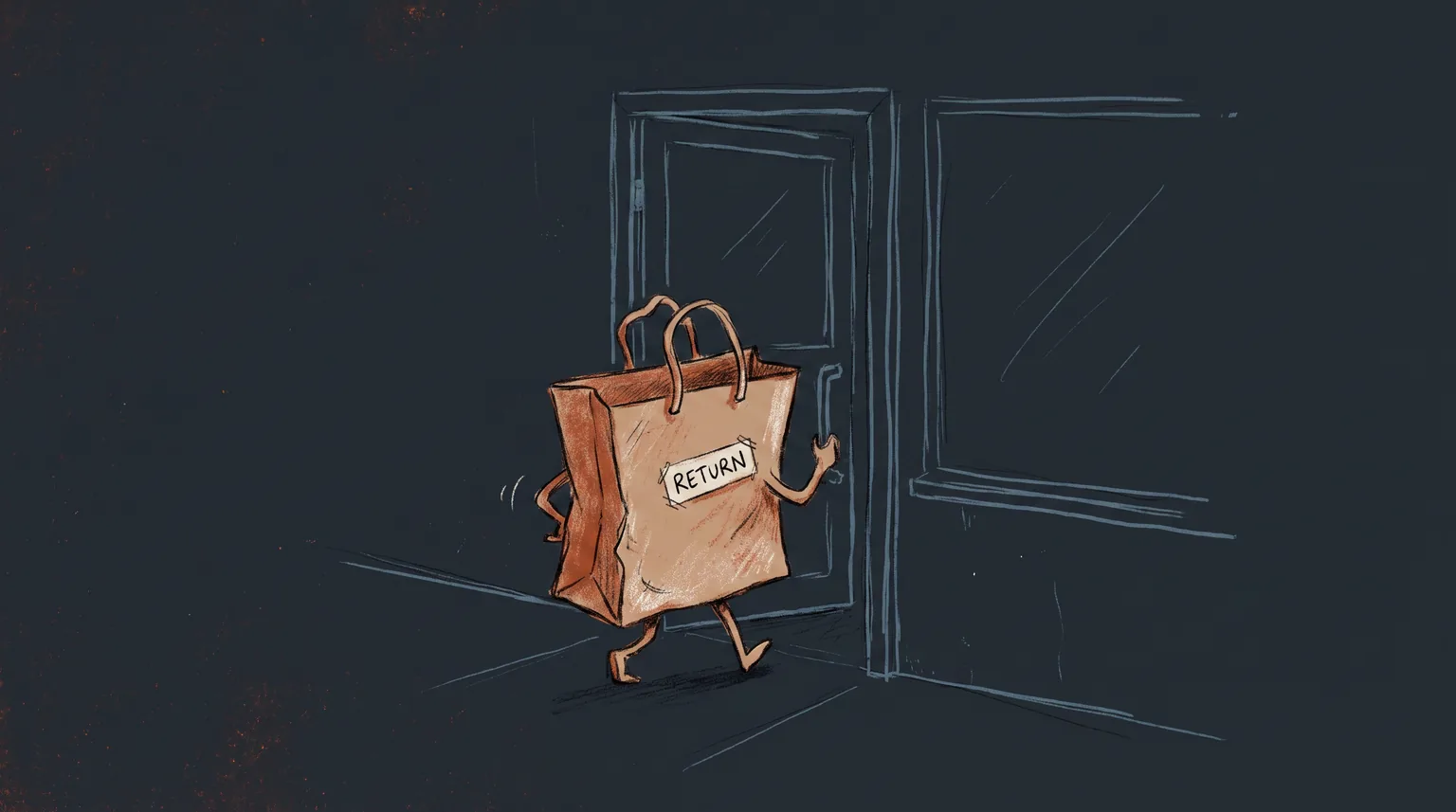
A customer walks into a boutique home goods store, picks up a hand-poured candle, pays, and leaves. She never comes back. The brand has no way to reach her. She did not download an app. The follow-up email sits unopened among dozens of others. Retail email open rates often hover around 18% to 25%. The paper loyalty card is crumpled somewhere at the bottom of her purse.
Now rewind and change one detail. At checkout, the cashier asks her to scan a QR code on her receipt. Two taps later, a branded loyalty pass lands in her Apple Wallet. Three weeks later, she is walking past the store on a Saturday afternoon. Her phone buzzes: "Welcome back. Enjoy 15% off today only." She walks in.
This is the gap wallet passes fill, and it is wider than most retailers realize. Many retailers report that mobile wallet pass redemption rates are several times higher than comparable email coupons in their own campaigns. Yet many mid-market retailers still do not use them in a strategic way. A wallet pass replaces the plastic loyalty card and then does something the card never could. It is an always on, permission based re-engagement channel that can appear on one of the most checked screens in a customer's life.
This article breaks down how smart retailers are using them to turn one-time shoppers into loyal repeat buyers.
The retail loyalty problem no one wants to admit
Retail has a retention problem. Most brands are good at acquiring customers. They run ads, optimize storefronts, and host events. But many retailers find that a majority of first-time buyers never make a second purchase. This leaves a large amount of recurring revenue unrealized.
The usual channels have not fixed it. Loyalty apps reach only a small fraction of in-store customers, because most people will not download a dedicated app for a single retailer. Email lists can decay by around 20% or more per year as subscribers disengage or change addresses. SMS is increasingly blocked, filtered, or ignored. New regulations keep tightening the rules around text marketing.
Plastic loyalty cards have their own problem. Physical cards often have high issuance rates. Customers accept them easily. Activation and ongoing use are poor. People carry them, forget to present them, and brands cannot push a single message to a piece of plastic sitting in a wallet.
Customer acquisition costs have also risen sharply over the past few years. Every lost repeat customer costs more to replace than it did last year.
Wallet passes stand apart here. They sit in a useful middle ground. They are low friction to adopt. They do not require a separate app download and ask for minimal data entry. They can appear on the lock screen at relevant moments. Pass updates can appear like push notifications. Once a customer has a pass in their wallet and has granted the right permissions, you have an ongoing, permission-based retention channel.
What a retail wallet pass actually is (and what it can do)
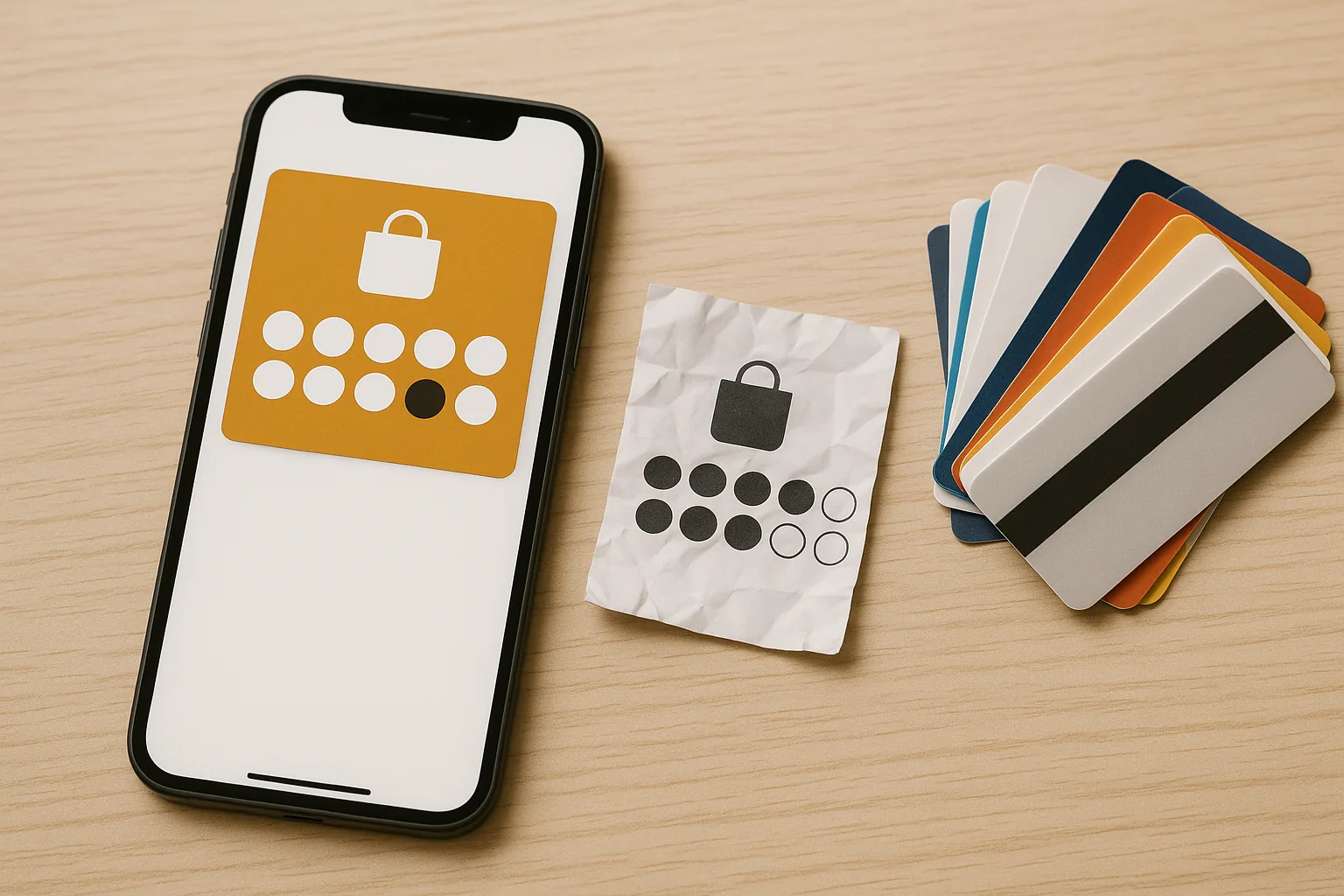
If you are a marketer hearing the term "wallet pass" for the first time, here is the short version. A wallet pass is a structured digital file (.pkpass for Apple Wallet, JWT-based for Google Wallet) that lives inside the wallet app on a customer's phone. You do not need a separate retailer app. It looks and feels like a branded card, coupon, or ticket inside the wallet app that comes preinstalled on iPhones and is widely available on Android devices.
Retailers typically use four types of passes, each serving a different role in the customer journey:
- Loyalty and membership cards that display points balances, tier status, and personalized perks
- Offer and coupon passes with specific discount codes and expiration dates
- Event or seasonal passes tied to sales, product launches, or holiday promotions
- Post-purchase receipt passes that serve as a record of the transaction and a prompt for the next visit
The dynamic fields on these passes make them powerful.
The back of a pass can display a live points balance, current tier status, or a personalized offer that updates each month. Location data supports geo-fencing, so the pass can trigger when a customer is near a store. Expiry dates create visible urgency directly on the card.
There is also a major differentiator. You get app-like notifications without a dedicated app. When a retailer updates a pass, such as changing an offer, adjusting a points balance, or configuring a location-based alert, that update can send a notification. On both iOS and Android, these may appear on the lock screen, depending on the user's notification and location settings. Once the customer has added a pass to their wallet and allowed the relevant permissions, you have a direct way to surface updates on their device.
Three retail tactics that drive repeat purchases with wallet passes
Strategy is what separates a pass that sits idle from one that drives revenue. Here are three tactics that leading retailers use in practice.
Tactic 1: geo-triggered offers that catch customers at peak intent
Configure GPS geo-fences around your store locations. Trigger a pass update when a customer enters the zone. The notification can surface a time-sensitive offer on the lock screen at a moment when purchase intent is often high, when they are physically nearby.
In one internal case study, a specialty coffee retailer used this approach. They pushed a "Buy 1 Get 1, today only" offer when loyalty pass holders walked within about 300 meters of a location. They reported a 23% lift in same-day in-store visits. The customer was already in the neighborhood. The pass gave them a reason to stop in.
Tactic 2: time-sensitive seasonal passes that create visible urgency
Instead of relying only on email blasts before Black Friday or Mother's Day, push a new pass or update an existing one with a countdown expiry date. Customers see an "expiring soon" badge every time they open their wallet app. The urgency is passive but persistent.
In one campaign with a national apparel chain, a "VIP Early Access" pass for its semi-annual sale with a 48-hour window delivered about three times the redemption rate of a comparable email campaign. The email got buried. The pass stayed visible every time the customer checked their phone.
Tactic 3: post-purchase receipt passes that seed the next transaction
Instead of sending only an email receipt, issue a wallet pass receipt that includes a "next visit" offer on the back of the pass. For example: "$10 off your next purchase of $50+, valid 30 days." The receipt becomes a re-engagement channel. You turn a transaction into the start of loyalty.
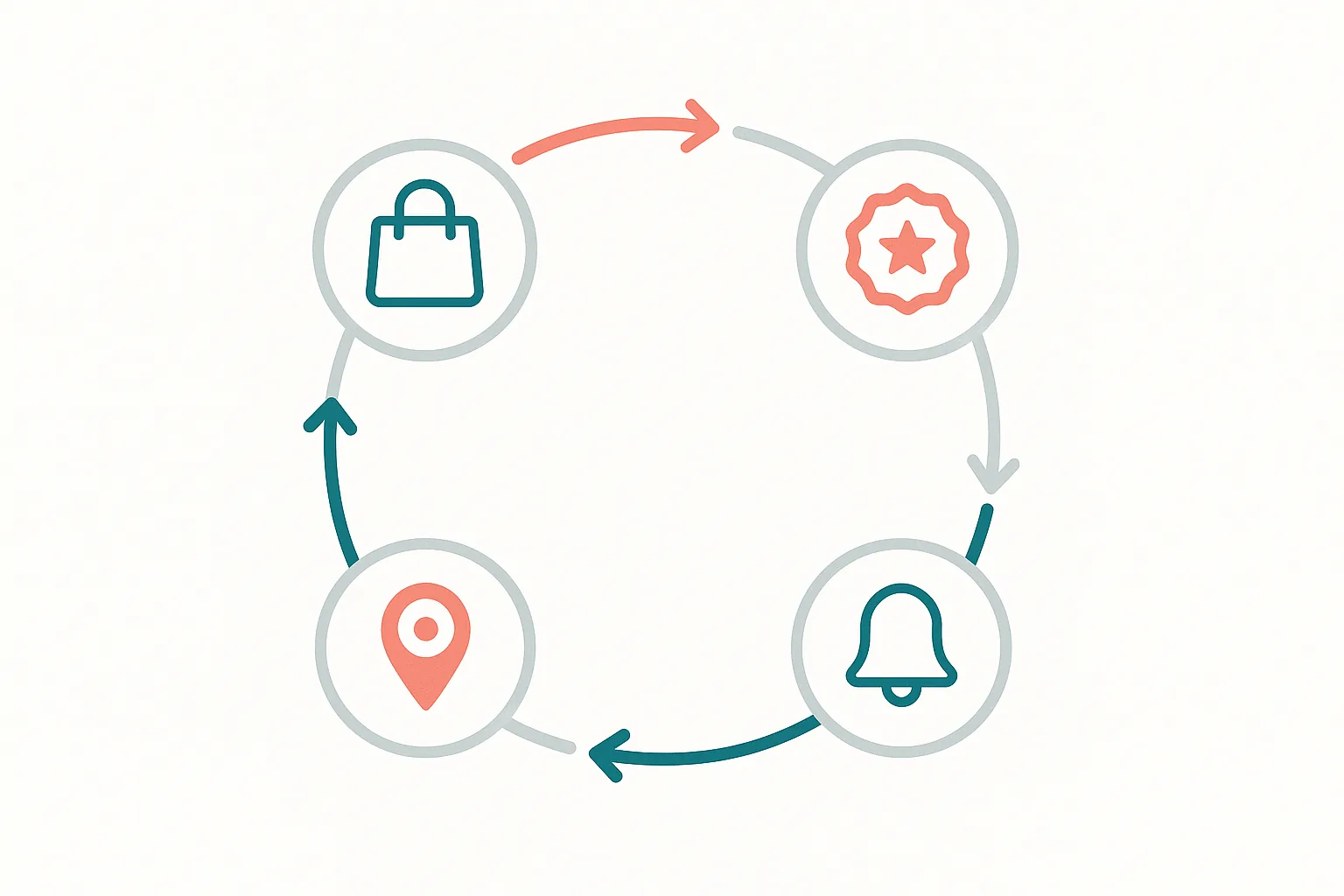
These three tactics work best together. The post-purchase pass seeds the return visit. The return visit earns points that update the loyalty pass. Geo-triggers activate the pass near the store. The cycle repeats.
In Passmint's work with retailers, using all three tactics together has produced repeat purchase frequency improvements in the range of 30% to 45% compared with email-only retention strategies. The effect compounds because each pass interaction reinforces the next.
Case study: how a specialty boutique chain built a retention engine with Passmint
Here is what this looks like in practice. A 12-location women's fashion boutique had strong in-store sales but a weak second-purchase rate of about 18%. They had an email list of 40,000 subscribers but averaged 9% open rates and 1.2% click-through. They had no loyalty app and limited IT resources.
Using Passmint's API, they issued a branded loyalty wallet pass at point of sale. A scannable QR code on the receipt led to a two-tap add flow. No app download. The pass displayed a points balance, a tier label (Silver, Gold, or Platinum), and a dynamic offer field that the marketing team updated monthly.
They configured geo-fences around all 12 store locations and two high-traffic nearby venues, a popular gym and a weekend farmers' market. Before each quarterly sale event, they issued seasonal passes five days in advance with 48-hour early access.
Results after six months (self-reported):
- Pass adoption rate reached 34% of in-store transactions, compared to less than 4% for their previous app download rate
- Average second-purchase rate climbed from 18% to 31%
- Geo-triggered pass notifications achieved a 19% same-day redemption rate
- Email engagement improved, because pass holders who clicked through to the website were re-cookied and could be retargeted
The key takeaway. Wallet passes did not replace their other channels. They connected them. Passes kept the brand present on the customer's device between visits and made email and other channels perform better.
Wallet passes vs email vs SMS as a retention channel
Here is how the three main retention channels compare.
Adoption friction
Email requires an address and consent. SMS requires a phone number and explicit opt in, with growing regulatory complexity. Wallet passes can often be added with a single tap on an "Add to Wallet" button or a quick QR scan. Lower friction usually wins.
Visibility and open rates
Email open rates in retail average around 20% to 25%. SMS messages are typically seen by a high percentage of recipients, but opt out rates are climbing. Wallet pass updates can generate notifications that are highly visible because they appear passively when triggered, often without requiring the customer to open an inbox.
Redemption rates
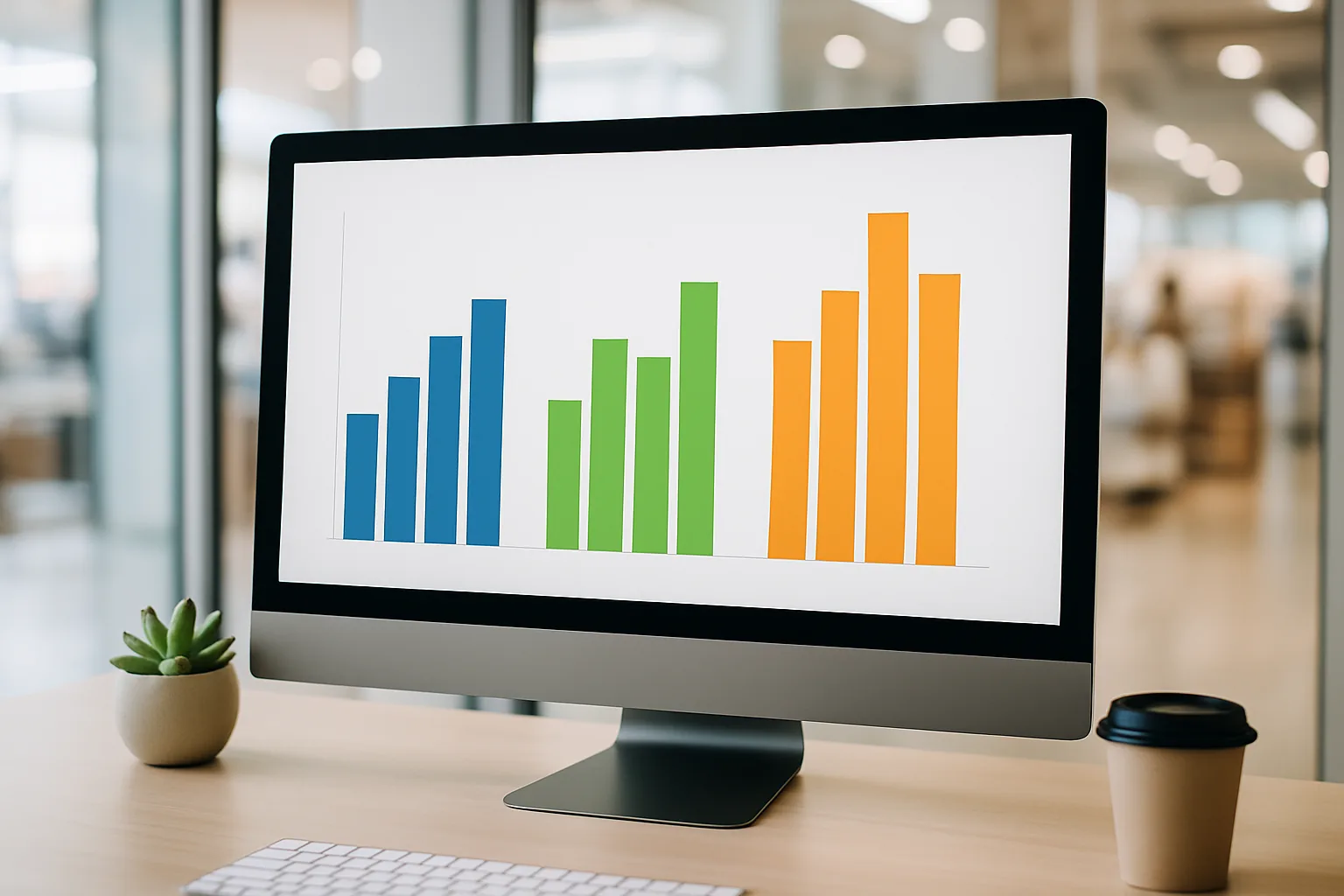
This is where wallet passes often pull ahead. Because the offer is visible, persistent, and can be geo-triggered, wallet campaigns often outperform email in redemption rates by several multiples in specific campaigns.
Cost structure
SMS campaigns carry per-message costs that scale linearly with list size. Email platforms charge based on subscriber volume. Wallet passes have a near-zero marginal cost per update once the pass is issued. For high-frequency re-engagement, they are very cost efficient.
Where do email and SMS still win. Email is still the best channel for rich storytelling, such as newsletters and brand content. SMS excels at urgent flash sales where immediacy matters most. Neither wallet passes nor SMS is particularly effective for new customer acquisition.
The best approach is not to choose one channel over another. It is to layer wallet passes as an always-on retention layer under your existing email and SMS programs.
Getting started: what retailers need to deploy wallet passes at scale
Rolling out wallet passes does not require a massive IT project. Here is what you need.
The technology stack
You need a pass issuance platform like Passmint, a way to trigger pass updates via API, webhook, or POS integration, and optionally a geo-fencing configuration. Platforms like Passmint handle Apple Wallet and Google Wallet certificate complexity. Your developers do not need to manage separate integrations or work through Apple's signing requirements.
Three common integration patterns
- QR code on the receipt that provisions the pass when scanned. This is the simplest to implement and works with many POS systems.
- Direct API call from the POS system at transaction close. This gives tighter integration and lower customer friction.
- Post-purchase email with an "Add to Wallet" button. This is best for ecommerce and hybrid retailers.
Each approach suits a different level of technical maturity. Start where your current stack allows, then add more automation over time.
Design and branding tips
Wallet passes have constrained but impactful design space: a logo, a strip image, label and value fields, and back-of-pass content. Use high-contrast brand colors. Put the primary value proposition, such as points balance or current offer, in the most prominent field. Use the back of the pass for terms and conditions and a secondary call to action such as a link to your online store.
Compliance notes
Apple Wallet requires users to grant location permissions for geo-triggers to function as intended. Frame this ask clearly at pass-add time: "Allow location access so we can send you offers when you are near our stores." Clear messaging improves opt in rates. Also consider GDPR, CCPA, and similar laws when you store and process pass holder data.
Measuring success
Track these KPIs from day one:
- Pass adoption rate
- Pass view or interaction rate, measured via update engagement
- Offer redemption rate
- Second-purchase rate for pass holders vs non-holders
- Revenue per pass holder over 90 and 180 days
The pass that brings them back
Return to the boutique customer from the opening example. The one who bought a candle and never came back. A wallet pass can turn that one-time transaction into the start of a relationship.
The loyalty problem in retail is not a creativity problem. It is not even a budget problem. It is a presence problem. Email and SMS get opened, acted on, and forgotten. A wallet pass lives in the wallet app on the device, can update silently, and can reach the customer at the right moment, near the store, before the sale ends, or right after the purchase.
For retailers watching customer acquisition costs climb while repeat purchase rates stay flat, wallet passes are a high-ROI, low-friction retention tool.
Retailers who deploy wallet passes now build a first-party engagement channel that compounds over time. Every pass issued is a direct line to a customer's device. That line gets more valuable with every update, every geo-trigger, and every redeemed offer. Passmint helps many retailers launch in days rather than months, depending on integration complexity. Your customers already have a wallet app on their phones. The opportunity is to be the brand that shows up in it.
Primary sources
Common questions
Technical content writer, Passmint
Julio is a technical content writer at Passmint. He writes about Apple PassKit, the Google Wallet API, and what breaks when wallet passes meet production traffic.
More from Julio Song →