
It's a Sunday afternoon and the stadium gates are packed. A family of four stands frozen at the turnstile. Dad's printed ticket won't scan. He tries again. Still nothing. The line behind them grows. Then a woman steps up, taps her phone against the reader, and walks straight through in under two seconds. No fumbling. No paper. No stress.
That contrast plays out at venues across the country every week. But most people miss what's actually happening here. Mobile ticketing has been around for years, so the gate is old news. The shift is happening after fans walk in.
Teams using dynamic Apple and Google Wallet passes are reporting 20 to 40% lifts in in-venue spend and much lower fraud rates. Yet most franchises are barely using what the technology can do. Wallet passes have quietly grown from a digital replacement for paper into a full fan engagement channel. The teams who figured that out first are pulling ahead in ways you can actually measure.
From barcode to smart pass: what changed and what most teams missed
Rewind a few years. The first wave of "digital" tickets were PDFs and barcodes. Digital in name only. You downloaded a file, maybe printed it, maybe showed it on your screen. The ticket was static and one-directional. Once it landed in your inbox, the team had no way to reach you through it.
A wallet pass works differently. It's a living document stored natively on your phone. Teams can update its fields, push notifications to it, and trigger changes based on your location. Your seat number can change. An offer can appear. A loyalty balance can update. All without you doing anything.
Most early adopters missed this. They treated wallet passes like a fancier barcode. Same job, prettier wrapper. What they overlooked was the persistent data channel sitting inside a fan's most-used app.
Think about the surfaces a pass occupies: the lock screen, the notification layer, the pass face itself. Each one is a place teams can reach fans directly. Most teams are barely using any of them. To see how that gap plays out, look at who moved first.
Early movers: what NFL, NBA, and MLS franchises did first
Start with the NFL. Teams like the San Francisco 49ers and Kansas City Chiefs use dynamic pass updates to push real-time parking and gate-open alerts. A fan gets a nudge that Lot C is filling up, or that a specific gate just opened. The result is smoother arrivals, less congestion, and fewer complaints about wait times.
The NBA plays a different game. Some franchises send seat upgrade offers through wallet pass notifications in the hour before tip-off. Unsold premium inventory becomes revenue, and the fan gets a premium seat at a modest price. Teams running these offers have reported strong conversion on notifications that reach fans already inside or heading to the arena.
Then there's MLS. Clubs use location-triggered updates to surface concession deals when fans enter certain stadium zones. Walk near the beer garden, and a discount appears on your pass. The pass becomes a proximity-aware coupon system.
Notice the common thread. All three use the same mechanism: a back-end update pushed to a pass that's already been issued. But each solves a different business problem. Operations for the NFL. Inventory yield for the NBA. Concession revenue for MLS. Same tool, three outcomes.
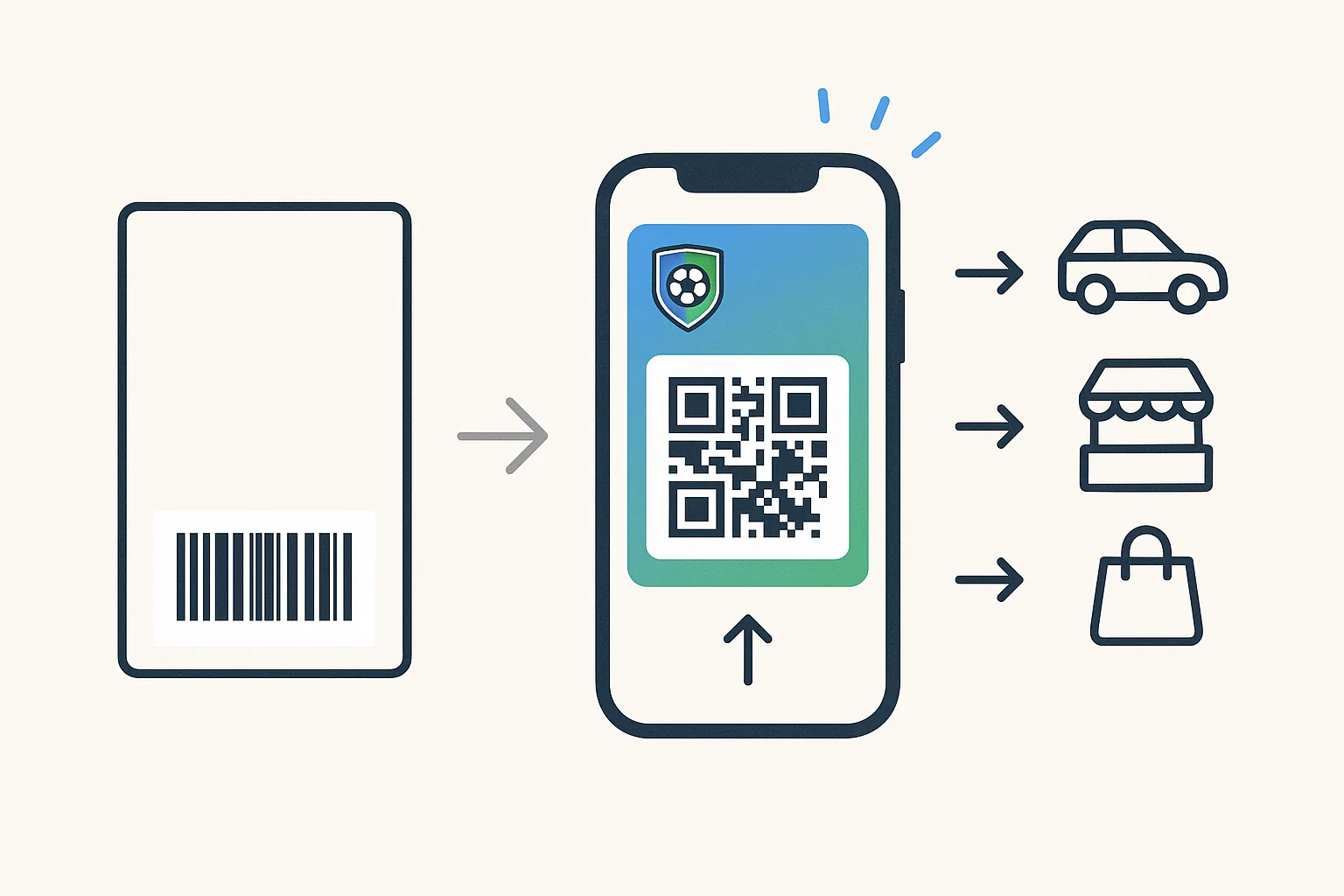
Deep dive: one team's playbook, from single-use ticket to season-long relationship
Large franchises get the attention. A mid-market club is the more instructive example. Picture a mid-sized MLS side or a Division I college program. Here's how a full wallet pass rollout looks for them.
Phase 1, issuance. Fans get their pass through email, the team app, or a ticketing platform link. One tap adds it to Apple or Google Wallet. Will-call lines shrink. Print-at-home headaches vanish. The friction that used to strand families at the gate simply goes away.
Phase 2, game-day activation. This is where the channel earns its keep. The fan's day unfolds through a sequence of updates. A morning reminder with a parking tip. A gate-open alert as they approach. A halftime concession offer. A fourth-quarter merchandise discount timed for the walk to the exit. Each message meets the fan at the right moment.
Phase 3, post-game retention. The pass doesn't die at the final whistle. The team updates it with a loyalty point balance, a quick survey link, or an early-bird offer for the next game. The channel stays alive between games instead of resetting every time.
The outcomes are concrete. Wallet passes with device-bound cryptographic validation are far harder to counterfeit than a screenshotted PDF, so fraud drops. Cutting print stock and will-call staffing saves real money. And spend goes up. Teams consistently see higher concession and merchandise numbers on days they send pass notifications versus days they stay quiet.
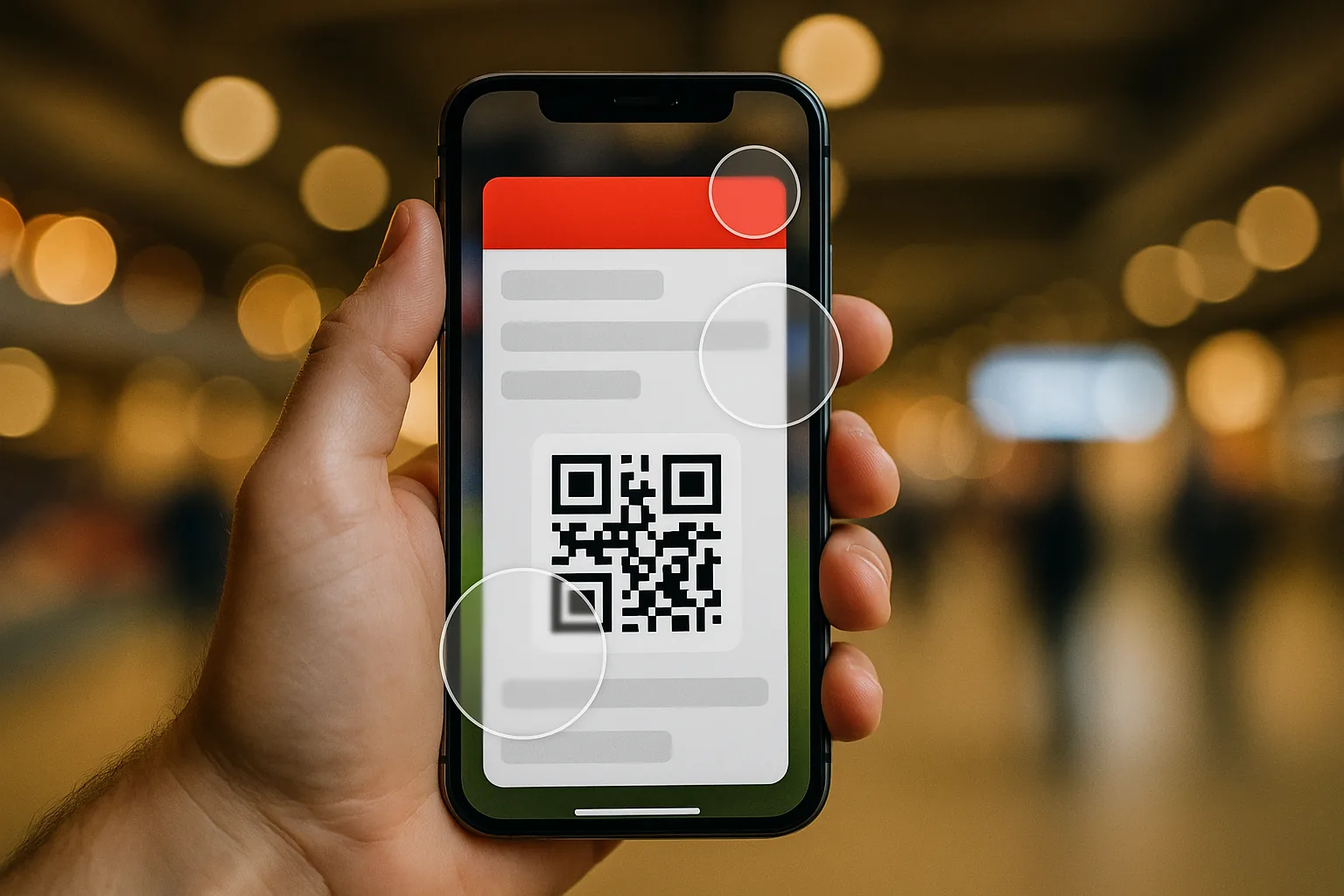
The numbers behind the hype: metrics teams are actually tracking
The sharpest franchises track engagement at the pass level. Four metrics matter most:
- Pass open rate, meaning lock-screen views of the pass
- Notification tap-through rate, or how many fans act on a push
- Offer redemption rate, the share of offers actually claimed
- Correlation between pass engagement and per-cap spend
On fraud, wallet passes win by design. Apple Wallet passes using NFC and device-bound security can't be duplicated by taking a screenshot. A QR code on a screen can be copied and shared a dozen times. A device-bound pass can't. That difference cuts fraudulent entry attempts sharply.
Operational savings add up too. Eliminating print infrastructure, paper stock, and will-call staffing frees budget at both ends of the spectrum. A large NFL venue saves on scale. A minor-league ballpark saves on staffing it could never afford anyway.
There's a fan satisfaction angle as well. Shorter gate lines. Fewer "my ticket won't scan" support calls. The feel of a tech-forward brand. Teams credit part of their NPS gains to wallet pass adoption.
One honest caveat: most teams don't publish granular numbers. What's public comes from ticketing platform whitepapers and industry reports tied to partners like Ticketmaster, SeatGeek, and Tessitura, plus reasonable inference from how the passes actually work. Treat the ranges as directional, not gospel.
Why adoption is still uneven, and the real barriers aren't what you'd expect
You might assume the technology is the holdup. It isn't. Apple Wallet and Google Wallet pass creation is well documented and API-accessible. Platforms like Passmint make issuance straightforward even for teams without a large engineering staff.
The real barrier is organizational. Ticketing revenue often sits in one silo. Marketing, concessions, and merchandise sit in others. A pass update that drives concession sales needs those departments talking to each other. Many franchises simply aren't structured for that kind of coordination.
Then there's platform lock-in. Plenty of mid-tier and minor-league teams depend on primary ticketing vendors whose wallet pass features are basic or static. The dynamic update capability exists, but the vendor never turned it on, so the team never uses it.
Some operators also assume older fans won't use mobile wallets. The data says otherwise. Once the add-to-wallet flow is frictionless, adoption skews broad across age groups. And the paper-only crowd shrinks a little more every season on its own.
League policy is fragmented, too. Broadcast and merchandise rules are standardized. Ticketing tech decisions are not. They vary by league and even by team, which creates uneven innovation pacing inside the same sport.
What smaller and minor-league clubs can learn, and do right now
Smaller clubs actually have an advantage here. Large franchises have the budget but move slowly through internal approvals. Smaller clubs can move fast and experiment freely. Large teams run multi-year rollouts. Small clubs can test and iterate in a single season.
Start with the basics done right. Even a static wallet pass with clean design, a correct barcode, and one pre-game push beats a PDF on every fan experience measure. You don't need a season-long campaign to start winning.
Then look at the low-hanging revenue. One well-timed concession offer pushed to 5,000 fans at a minor-league baseball game is a testable experiment with almost no marginal cost. Send it one night, hold it the next, and compare the per-cap numbers.
Platforms like Passmint let teams without dedicated engineers create, issue, and update wallet passes through simple APIs or no-code tools. The barrier to entry drops to near zero.
A practical roadmap for a small club:
- Month 1: Migrate to wallet pass issuance.
- Month 2: Add one dynamic update per game, like a parking or gate alert.
- Month 3: Introduce one in-venue offer push.
- Quarter 2: Analyze the per-cap spend delta and iterate.
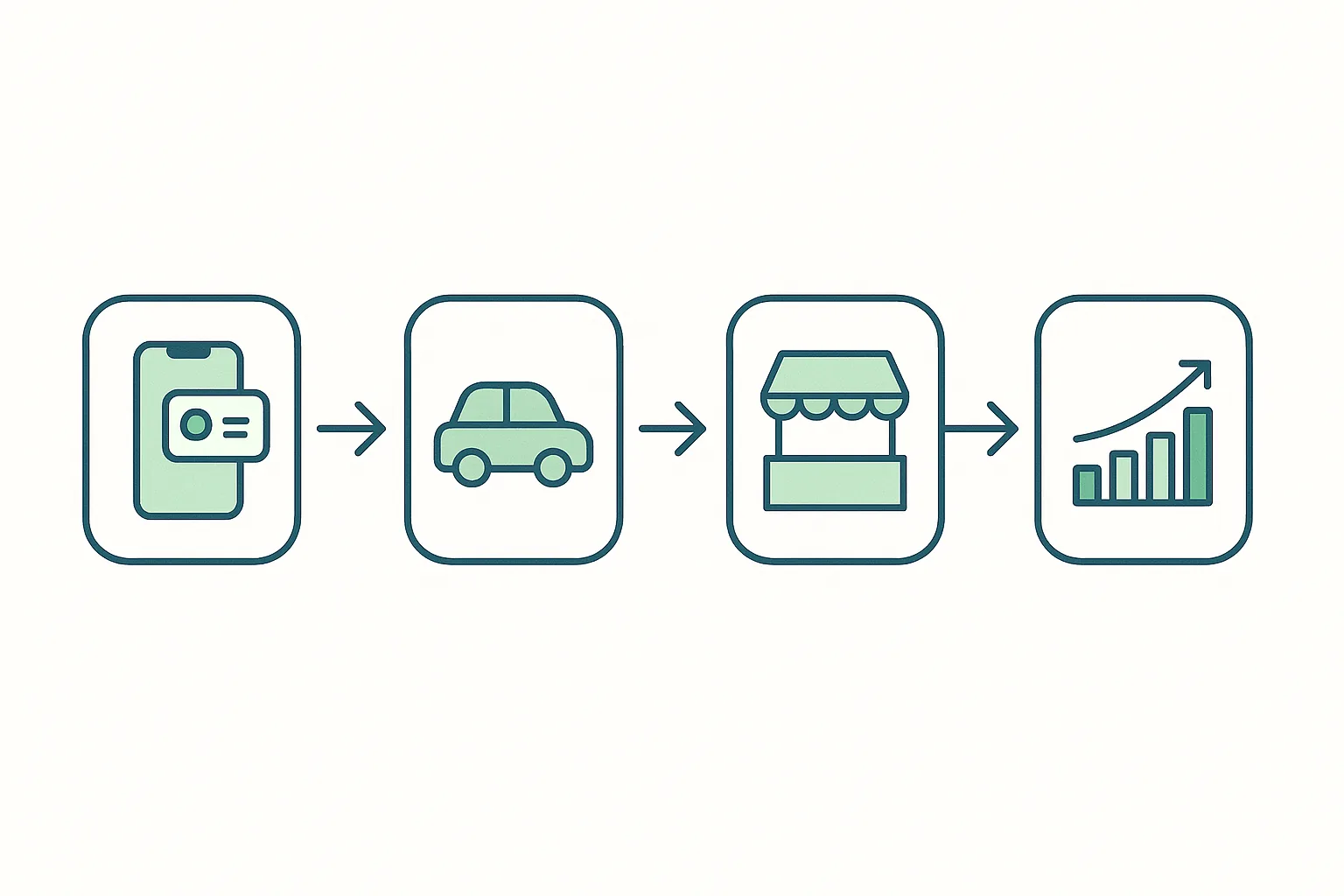
What comes next: loyalty, personalization, and the pass as a fan identity layer
The most advanced franchises are moving past the ticket idea entirely. They treat the wallet pass as a persistent fan identity token. It carries loyalty tier, preferences, and history across a whole season, not a single game.
That opens up personalization at scale. Using pass metadata and update history, teams can tailor offers instead of blasting everyone the same message. Family-section fans get concession bundle deals. Solo attendees get single-serve premium upgrades. Broadcast becomes segmented.
The bigger leap comes from CRM and CDP integration. When a wallet pass syncs with a fan data platform, teams can close the loop between digital and physical behavior. Did the fan tap the offer? Did they redeem it at the stand? Now you know both.
Google Wallet adds another dimension. Its expanding API and tighter ties to Android notifications and Maps make location-aware use cases easier to build. Sports franchises have barely touched this.
What franchises are learning about passes as engagement infrastructure applies well beyond sports, to loyalty programs, event tickets, and membership cards in any vertical.
What the shift is really about
Go back to that woman who tapped through in two seconds. She didn't just skip the line. She got a parking alert that morning. A seat upgrade offer at halftime. A concession deal that nudged her to spend more than she planned. All through a pass she added with one tap and never thought about again.
That's the real story of wallet passes in sports. Not a paperless ticketing story. A fan engagement infrastructure story. The teams who acted early are ahead on per-cap revenue, fraud reduction, and loyalty, and the gap is widening.
For product managers at ticketing platforms, marketers at franchises, and developers building fan experience tools, the takeaway is simple. The wallet pass isn't the destination. It's the channel. And for smaller clubs who haven't started yet, the barrier has never been lower. The early movers already wrote the playbook. The only question left is how fast everyone else picks it up.
Primary sources
Common questions
Technical content writer, Passmint
Julio is a technical content writer at Passmint. He writes about Apple PassKit, the Google Wallet API, and what breaks when wallet passes meet production traffic.
More from Julio Song →